If you’ve spent time on TikTok, Instagram, YouTube comments, or gaming chats lately, you’ve probably seen someone accused of “glazing.”
At first glance, the word sounds harmless. Some people think it relates to food, art, or even window glass. But online, the meaning is completely different — and often surprisingly emotional.
People search for “glazing meaning” because the slang has exploded across social media. One comment section might use it jokingly, while another uses it as a serious insult. That confusion leaves many people wondering whether glazing is praise, obsession, sarcasm, or just internet humor.
The truth is that glazing sits in a strange space between admiration and exaggeration. It reflects how modern communication works online: people praise others publicly, defend influencers intensely, and sometimes go so far that it becomes embarrassing or performative.
Understanding the term helps you recognize tone, social dynamics, and even internet culture itself.
Glazing Meaning – Quick Meaning
What Does “Glazing” Mean?
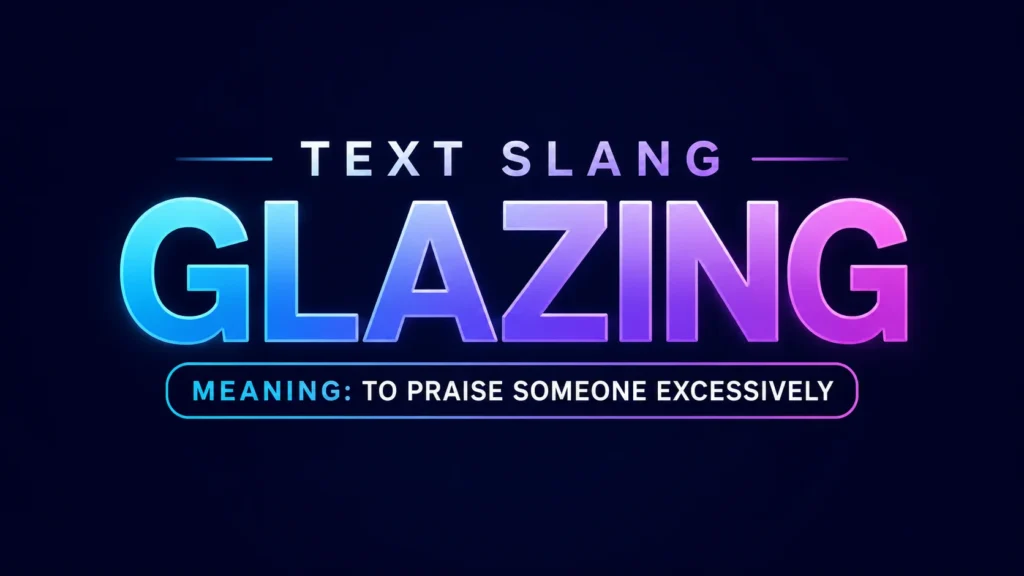
In modern slang, “glazing” means excessively praising, defending, or admiring someone — often to an embarrassing degree.
It usually implies that a person is trying too hard to compliment someone, gain approval, or act overly loyal.
People often use the term sarcastically.
Simple Definition
Glazing = Overhyping or obsessively praising someone.
It can refer to:
- Celebrities
- Athletes
- Influencers
- Friends
- Romantic partners
- Online creators
- Gaming streamers
Quick Examples
“Bro is glazing that rapper so hard.”
“Every comment you leave is pure glazing.”
“You don’t have to glaze your boss like that.”
Is Glazing Positive or Negative?
Usually, it’s slightly negative or teasing.
Sometimes friends use it playfully. Other times, it’s meant as criticism.
The tone depends heavily on context.
Origin & Background
Where Did the Term Come From?
The slang version of “glazing” grew from internet culture, especially among younger users in gaming communities, sports discussions, and livestream chats.
It became popular through:
- TikTok
- Twitch streams
- YouTube comment sections
- Twitter/X debates
- Basketball and sports fandoms
Originally, people used it to describe someone “coating” another person in excessive praise.
Over time, it evolved into shorthand for:
- Extreme admiration
- Blind support
- Forced compliments
- Fan behavior
The Social Media Influence
Social media changed how people express loyalty and admiration.
In earlier internet culture, people might say:
- “Fanboying”
- “Simping”
- “Riding hard for someone”
Now, many Gen Z users simply say “glazing.”
The term became especially common in sports culture. Fans would accuse commentators, analysts, or supporters of glazing athletes whenever praise felt exaggerated.
Why It Spread So Fast
The word spread because it’s flexible.
People use it for:
- Funny jokes
- Relationship teasing
- Political debates
- Celebrity fandoms
- School gossip
- Gaming communities
It’s short, expressive, and emotionally loaded — exactly the kind of language social media rewards.
Real-Life Conversations
WhatsApp Conversation
Person A:
Did you see Ali defending that influencer again?
And,
Person B:
Yeah, bro is glazing nonstop.
Person A:
Like relax… she doesn’t even know him.
Instagram DM Conversation
Person A:
You comment on every single photo he posts 😭
Or,
Person B:
I’m supporting my favorite creator.
Person A:
That’s not support anymore. That’s glazing.
TikTok Comments
Person A:
Best singer alive. Nobody even comes close.
Person B:
The glazing is insane in this comment section.
Text Message Conversation
Person A:
My manager said my presentation was excellent.
Moreover,
Person B:
Okay but don’t start glazing him tomorrow at work 😂
Person A:
Too late. I already sent a thank-you email.
Gaming Chat Conversation
Person A:
That streamer misses one shot and y’all still call him a legend.
Person B:
His fans glaze harder than anybody online.
Emotional & Psychological Meaning
Why People Use the Word
Glazing is more than slang. It reflects social behavior.
People use the term when they feel someone’s admiration has crossed a line from genuine appreciation into excessive validation.
In many cases, the accusation suggests:
- Desperation for approval
- Lack of independence
- Emotional overinvestment
- Social performance
What Emotion Does It Express?
Depending on tone, glazing can express:
- Mockery
- Frustration
- Jealousy
- Playful teasing
- Social discomfort
Sometimes people use it because they feel someone is being fake.
Other times, it’s just friendly banter between close friends.
A Real-Life Style Scenario
Imagine a group chat where one friend constantly praises a celebrity, reposts every update, and defends them during every argument.
Eventually someone says:
“You’re glazing too hard.”
That comment isn’t only about admiration. It’s about balance. The group feels the behavior has become emotionally excessive.
That’s why the slang resonates so strongly online.
What It Reveals About Modern Communication
Today’s internet culture rewards loud opinions and visible loyalty.
People publicly defend influencers they’ve never met. Fans form emotional bonds with creators. Communities become deeply attached to online personalities.
“Glazing” became the perfect word for that modern behavior.
Usage in Different Contexts
Social Media
This is where the term appears most often.
Examples:
- “The glazing in these comments is crazy.”
- “Fans are glazing this actor again.”
It’s especially common in fandom spaces.
Friends & Relationships
Friends use the word jokingly all the time.
For example:
- Complimenting a friend too much
- Constantly defending a partner
- Overhyping someone in group chats
Sometimes couples even tease each other with it.
Work & Professional Settings
Using “glazing” professionally can be risky.
Saying:
“You’re glazing the manager”
could sound disrespectful or immature.
In workplace settings, it’s better avoided unless you know the environment is casual.
Casual vs Serious Tone
Casual Tone:
- Funny
- Playful
- Meme-based
Serious Tone:
- Critical
- Insulting
- Accusatory
Tone changes everything.
When NOT to Use It
Professional Environments
Avoid using slang like glazing:
- During meetings
- In formal emails
- With senior leadership
- In interviews
It may come across as rude.
Sensitive Emotional Situations
If someone genuinely admires or supports another person emotionally, accusing them of glazing may feel dismissive.
For example:
- Supporting a grieving friend
- Encouraging a partner
- Respecting a mentor
Not all praise is glazing.
Cultural Misunderstandings
Some people unfamiliar with internet slang may not understand the joke.
Older generations might interpret the word literally.
That can create awkward confusion.
Public Arguments
Calling someone a “glazer” during heated debates often escalates conflict quickly.
It can sound mocking rather than constructive.
Common Misunderstandings
People Think It Always Means “Simping”
Not exactly.
“Simping” usually has romantic implications.
“Glazing” is broader. It includes:
- Sports fandom
- Celebrity obsession
- Excessive loyalty
- Overpraising authority figures
Literal vs Figurative Meaning
Traditionally, glazing refers to:
- Food coating
- Pottery finish
- Window glass treatment
Online slang has nothing to do with those meanings.
Some People Use It Too Broadly
Today, people sometimes accuse anyone giving compliments of glazing.
That’s inaccurate.
Healthy appreciation is normal. Glazing suggests excess.
Tone Confusion
Because internet humor relies heavily on sarcasm, people may not know whether the accusation is serious or playful.
Context matters.
Comparison Table
| Expression | Meaning | Tone | Similarity to Glazing |
|---|---|---|---|
| Simping | Excessive romantic admiration | Often negative | Similar but romance-focused |
| Fanboying | Extreme fandom behavior | Playful | Very close |
| Meat riding | Aggressive over-support | Harsh/slang-heavy | Stronger version |
| Hyping | Encouraging or praising | Positive | Less negative |
| Supporting | Genuine encouragement | Neutral | Not excessive |
| Clout chasing | Seeking attention through others | Negative | Sometimes overlaps |
| Criticizing | Pointing out flaws | Opposite | Completely different |
Key Insight
Glazing becomes noticeable when admiration feels exaggerated, performative, or emotionally unbalanced. The difference between support and glazing usually comes down to intensity.
Variations / Types
Celebrity Glazing
Overdefending celebrities no matter what they do.
Sports Glazing
Constantly overpraising athletes or teams.
Relationship Glazing
Obsessing over a romantic partner publicly.
Influencer Glazing
Treating creators as flawless online personalities.
Boss Glazing
Excessively complimenting authority figures at work.
Academic Glazing
Praising teachers or professors in an exaggerated way.
Gaming Glazing
Defending streamers or gamers aggressively.
Political Glazing
Blindly supporting politicians without criticism.
Friendship Glazing
Overhyping friends in every situation.
Self-Glazing
Praising yourself excessively online.
How to Respond When Someone Uses It
Casual Replies
- “I’m just being supportive.”
- “Let me appreciate greatness.”
- “You’re just jealous.”
Funny Replies
- “Professional glazer since 2024.”
- “I glaze with passion.”
- “Somebody has to support them.”
Mature Replies
- “I genuinely respect their work.”
- “There’s nothing wrong with appreciation.”
- “I may admire them, but I still think critically.”
Respectful Replies
- “Fair point, maybe I overdid it.”
- “I didn’t mean to sound excessive.”
- “I just wanted to show support.”
Regional & Cultural Usage
Western Culture
In Western internet culture, glazing is heavily connected to:
- Sports fandom
- Celebrity culture
- Meme humor
- Online debates
It’s often used sarcastically.
Asian Culture
In many Asian online communities, public admiration for idols and creators is common.
Because fandom culture is stronger, behavior labeled “glazing” in the West may sometimes feel more socially accepted.
Middle Eastern Culture
Online youth communities increasingly use the term in English-language chats and memes.
However, tone tends to be softer and more playful in many cases.
Global Internet Usage
The term spread globally because TikTok and gaming culture cross borders quickly.
Now even people outside English-speaking countries use “glazing” casually online.
Generational Differences
Gen Z:
- Uses the word frequently
- Understands sarcasm quickly
- Applies it casually
Millennials:
- May recognize the meaning but use it less often
Older generations:
- Often unfamiliar with the slang entirely
Is It Safe for Kids?
Understanding the Context
Generally, “glazing” is not considered dangerous slang.
It’s mostly harmless internet language.
However, parents should still understand how kids are using it because:
- It can become bullying
- It may encourage mockery
- Online slang evolves quickly
In most situations, it’s simply playful teasing.
Still, context always matters.
FAQs
What does glazing mean in slang?
Glazing means excessively praising, defending, or admiring someone in a way that feels exaggerated or embarrassing.
Is glazing an insult?
Sometimes. It can be playful teasing among friends or a more serious criticism depending on tone and context.
What’s the difference between glazing and simping?
Simping usually involves romantic admiration, while glazing can apply to celebrities, athletes, influencers, bosses, or anyone receiving excessive praise.
Why do people say “stop glazing”?
People say it when they believe someone is overhyping another person too intensely or unrealistically.
Is glazing popular on TikTok?
Yes. TikTok helped popularize the term through memes, sports edits, fandom content, and comment sections.
Can glazing be positive?
In some cases, yes. Friends may use it jokingly as harmless humor rather than a real insult.
What does “professional glazer” mean?
It’s usually a sarcastic joke describing someone who constantly praises or defends another person online.
Conclusion
The meaning of “glazing” goes far beyond simple slang. It reflects how modern people communicate admiration, loyalty, humor, and social identity online.
Sometimes it’s playful. Sometimes it’s criticism. Other times, it exposes how emotionally invested internet culture has become in celebrities, influencers, and public personalities.
Understanding the word helps you read tone more accurately and communicate more confidently in digital spaces.
At its core, glazing is about excess. Appreciation is normal. Overdoing it is where the joke begins.
Once you understand that balance, the slang suddenly makes perfect sense.