
Introduction
Modern lifestyles often involve spending significant amounts of time indoors, surrounded by electronic devices, artificial lighting, and manufactured materials. Although contemporary homes offer comfort and convenience, they may sometimes feel disconnected from the natural environment.
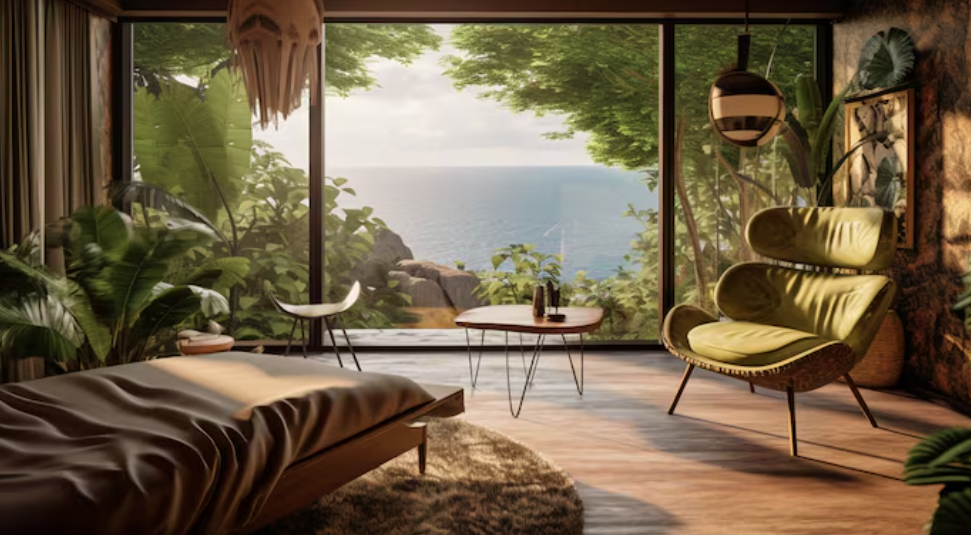
Biophilic interior design offers a creative approach to reconnecting indoor spaces with nature. By incorporating natural elements such as plants, sunlight, wood, stone, water, and organic textures, this design philosophy aims to create welcoming and peaceful environments.
The growing interest in biophilic design reflects a desire for homes that support relaxation, comfort, and everyday well-being.
Whether decorating a spacious house or a compact apartment, homeowners can introduce nature-inspired design features to create more harmonious living spaces.
What Is Biophilic Interior Design?
Biophilic interior design is an approach that emphasizes the connection between people and nature within built environments.
The term biophilia describes the idea that humans have an affinity for the natural world.
In interior design, this concept involves incorporating natural materials, vegetation, daylight, outdoor views, and nature-inspired patterns into living spaces.
Common elements of biophilic design include:
- Indoor plants and greenery.
- Natural sunlight and ventilation.
- Wooden furniture and decorative elements.
- Stone, bamboo, and other natural materials.
- Earth-inspired colors.
- Water features.
- Organic shapes and textures.
- Views of gardens and outdoor landscapes.
These elements can make interiors feel more inviting while creating a stronger visual connection with nature.
1. Incorporating Indoor Plants for a Natural Atmosphere
Indoor plants are among the most accessible ways to introduce biophilic design into a home.
Greenery adds color, texture, and visual interest while softening the appearance of furniture and architectural features.
Plants can be placed on shelves, windowsills, coffee tables, or dedicated plant stands.
Popular indoor plant options include:
- Snake plants.
- Pothos.
- Spider plants.
- Peace lilies.
- Rubber plants.
- Areca palms.
Different plants require varying levels of sunlight, watering, and maintenance.
Selecting varieties suited to the available indoor conditions is important for keeping them healthy.
Households with pets should also check whether particular plants are toxic to animals before bringing them indoors.
2. Maximizing Natural Light
Natural lighting plays an important role in creating bright and comfortable living environments.
Sunlight can make rooms appear more spacious while highlighting colors, textures, and decorative details.
Biophilic interiors often prioritize natural light through large windows, open layouts, and thoughtful furniture placement.
Simple ways to improve daylight include:
- Using lightweight curtains.
- Keeping windows unobstructed.
- Placing mirrors where they reflect natural light.
- Choosing lighter wall colors.
- Arranging furniture to maintain clear window access.
Natural light can also support healthy daily rhythms when exposure occurs at appropriate times.
However, excessive sunlight may increase indoor heat or cause glare, making suitable shading important.
3. Choosing Natural Materials and Textures
Natural materials are essential components of biophilic interior design.
Wood, stone, bamboo, cork, cotton, linen, and clay can introduce warmth and texture into modern interiors.
For example, a wooden coffee table can create an attractive contrast with neutral walls and contemporary furniture.
Linen curtains and cotton cushions can add softness, while stone decorative pieces provide visual variety.
Materials with visible grain patterns and natural imperfections often create a more organic appearance.
When selecting materials, homeowners can also consider durability, maintenance, responsible sourcing, and indoor air quality.
4. Using Nature-Inspired Colors
Color selection strongly influences the atmosphere of a room.
Biophilic design frequently incorporates colors inspired by forests, mountains, oceans, and natural landscapes.
Popular choices include:
Green: Reflects vegetation and creates a refreshing visual atmosphere.
Brown: Introduces warmth and complements wooden furniture.
Beige: Provides a soft, neutral background.
Blue: Evokes water and open skies.
Terracotta: Adds earthy warmth and character.
These shades can be combined with natural textures to create balanced interiors.
For example, sage-green walls paired with light wooden furniture and cream-colored fabrics can produce a calm, contemporary appearance.
5. Creating a Relaxing Living Room
The living room is often the central gathering space in a home, making it an ideal location for biophilic design.
Start by choosing comfortable furniture in neutral or earth-inspired colors.
Add indoor plants near windows or seating areas to introduce greenery without overcrowding the space.
Natural fiber rugs, wooden shelves, and textured cushions can enhance the organic atmosphere.
Artwork featuring landscapes, botanical illustrations, or natural patterns can further strengthen the connection with nature.
Maintaining an uncluttered arrangement also helps create a visually peaceful environment.
6. Designing a Nature-Inspired Bedroom
Bedrooms should provide comfort and encourage relaxation.
Biophilic design can help create a soothing bedroom environment through gentle colors, natural fabrics, and thoughtful lighting.
Consider using cotton or linen bedding, wooden bedside tables, and soft neutral wall colors.
A small indoor plant may add a refreshing decorative element when suitable for the room’s conditions.
Blackout curtains or adjustable window coverings can help control nighttime light and morning sunlight.
Avoid excessive decorations that make the room feel crowded.
The overall goal is to create a comfortable space that supports rest and tranquility.
7. Introducing Natural Elements into Small Apartments
Biophilic interior design does not require a large home or expensive renovation.
Small apartments can benefit from carefully selected natural elements.
Vertical planters, hanging plants, and compact wooden furniture can introduce greenery and organic textures without occupying excessive floor space.
Wall-mounted shelves provide additional opportunities for displaying plants and decorative objects.
Nature-inspired wallpaper or botanical artwork can also create visual connections with outdoor environments.
For homes with limited sunlight, artificial botanical arrangements or nature-themed artwork can provide decorative alternatives.
8. Incorporating Water Features and Natural Sounds
Water is another element commonly associated with peaceful natural environments.
Small tabletop fountains and decorative water features can introduce gentle movement and sound.
Some homeowners may find the sound of flowing water relaxing.
However, water features require regular cleaning and maintenance to prevent hygiene problems.
Natural sound recordings, such as rainfall or flowing streams, can provide an alternative without requiring additional equipment or water maintenance.
These elements should complement the interior rather than overwhelm it.
9. Balancing Biophilic Design with Modern Functionality
Successful biophilic design should balance aesthetics with practical everyday needs.
Natural materials and decorative plants must fit comfortably within the available space.
For example, placing too many plants in a small room may restrict movement or create additional maintenance responsibilities.
Similarly, untreated wooden materials may require protection in humid environments.
Homeowners should consider lighting conditions, ventilation, furniture durability, and ease of cleaning.
A balanced approach allows natural elements to enhance comfort without reducing functionality.
Benefits of Biophilic Interior Design
Biophilic interiors can offer several practical and aesthetic advantages.
Improved Visual Comfort: Natural colors and textures create welcoming surroundings.
A More Relaxing Atmosphere: Views of greenery and nature-inspired features may support feelings of calm.
Stronger Connection with Nature: Natural materials and outdoor views reduce the visual separation between indoor and outdoor environments.
Enhanced Interior Appearance: Organic shapes and textures add depth and character.
Greater Design Flexibility: Biophilic elements can complement minimalist, contemporary, rustic, and traditional decorating styles.
These benefits depend on personal preferences and thoughtful design choices.
The Future of Biophilic Interior Design
As interest in comfortable and environmentally conscious homes continues, biophilic principles may become increasingly influential in residential design.
Architects and interior designers can explore natural ventilation, daylight optimization, indoor greenery, and responsibly sourced materials.
Smart lighting and climate-control technologies may also complement these approaches by improving indoor comfort.
Future homes may increasingly combine modern convenience with design features that create meaningful connections to nature.
Conclusion
Biophilic interior design offers an appealing way to create relaxing, comfortable, and visually balanced living spaces.
By incorporating indoor plants, natural lighting, organic materials, calming colors, and nature-inspired decorations, homeowners can transform ordinary rooms into welcoming environments.
The beauty of biophilic design lies in its flexibility. Even small changes, such as adding greenery or choosing natural fabrics, can improve the appearance and atmosphere of a home.
Ultimately, creating a nature-inspired living space is about achieving harmony between modern lifestyles, personal comfort, and the natural world.
Read More : Duo Names: 200 Best Ideas for Every Pair
Comments