
Introduction
Lighting is one of the most important elements of interior design, influencing how a room looks, feels, and functions. While furniture, colors, and decorative accessories contribute to a space’s appearance, lighting determines how these features are experienced.
A well-designed lighting arrangement can make a small room appear more spacious, create a relaxing atmosphere, highlight architectural details, and improve everyday comfort.
One effective approach to interior lighting is layered lighting, which combines different light sources to achieve a balanced and adaptable environment.
Instead of relying on a single ceiling fixture, layered lighting uses multiple types of illumination to support different activities and moods.
Understanding this technique can help homeowners transform ordinary rooms into attractive and functional living spaces.
What Is Layered Lighting?
Layered lighting is an interior design technique that combines several lighting sources within the same space.
The three primary layers are:
- Ambient lighting: Provides general illumination throughout a room.
- Task lighting: Illuminates specific areas where activities require greater visibility.
- Accent lighting: Highlights decorative features, architectural details, or selected objects.
When these layers work together, they create a comfortable balance between functionality and visual appeal.
For example, a living room might feature recessed ceiling lights for general illumination, a floor lamp beside a reading chair, and wall-mounted fixtures highlighting artwork.
Each light source serves a different purpose while contributing to the overall atmosphere.
1. Ambient Lighting Creates the Foundation
Ambient lighting provides the primary illumination that allows people to move comfortably throughout a room.
It establishes the overall brightness and helps create a welcoming environment.
Common ambient lighting options include:
- Ceiling-mounted fixtures.
- Chandeliers.
- Recessed lighting.
- Pendant lights.
- Wall-mounted fixtures.
- Indirect LED lighting.
The appropriate choice depends on the room’s dimensions, ceiling height, and intended use.
For example, a spacious living room may benefit from several evenly distributed ceiling lights, while a smaller bedroom might require only a central fixture supported by additional lamps.
Choosing the Right Brightness
Excessively bright lighting can make a room feel uncomfortable, while insufficient illumination may reduce visibility.
Adjustable lighting systems allow homeowners to modify brightness according to different activities.
Installing compatible dimmer controls can also provide greater flexibility without requiring multiple lighting installations.
2. Task Lighting Improves Everyday Functionality
Task lighting focuses illumination on areas where specific activities take place.
It is particularly useful for reading, cooking, studying, grooming, and working.
Examples include:
- Desk lamps for home offices.
- Under-cabinet lights in kitchens.
- Reading lamps beside sofas.
- Vanity lighting around mirrors.
- Bedside lamps for nighttime reading.
Effective task lighting should provide sufficient illumination without creating distracting glare or harsh shadows.
For instance, placing lighting beneath kitchen cabinets helps illuminate countertops that might otherwise remain shaded by overhead fixtures.
Similarly, an adjustable desk lamp can improve visibility while working on detailed tasks.
3. Accent Lighting Adds Depth and Character
Accent lighting draws attention to selected features within a room.
It is commonly used to highlight artwork, decorative objects, textured walls, and architectural elements.
Popular accent lighting options include:
- Picture lights.
- Wall sconces.
- LED strip lighting.
- Adjustable spotlights.
- Shelf lighting.
- Decorative table lamps.
For example, a carefully positioned spotlight can emphasize a textured stone wall, while concealed LED strips can create a subtle glow around floating shelves.
Accent lighting adds visual interest and helps establish focal points within a space.
4. Using Layered Lighting to Create Different Moods
One of the greatest advantages of layered lighting is its ability to change a room’s atmosphere.
Different combinations of brightness, positioning, and color temperature can create distinct visual experiences.
Warm and Relaxing Atmosphere
Warm lighting often creates a comfortable and inviting environment.
It is commonly used in bedrooms, living rooms, and relaxation areas.
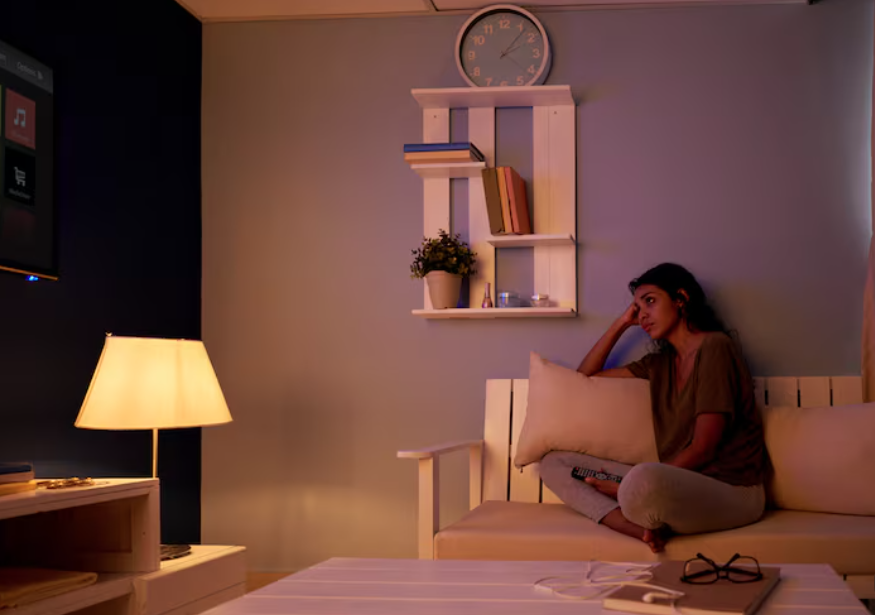
Table lamps, wall sconces, and indirect lighting can help establish a gentle evening atmosphere.
Bright and Energetic Environment
Brighter lighting is useful in spaces where visibility and concentration are important.
Kitchens, study areas, and home offices often benefit from clear general illumination supported by focused task lighting.
Elegant and Sophisticated Ambience
Combining subtle accent lighting with decorative fixtures can create a refined appearance.
For example, a dining room may feature a pendant light above the table, soft wall lighting, and concealed illumination highlighting decorative features.
5. Understanding Color Temperature
Color temperature influences the perceived warmth or coolness of artificial light.
It is measured in Kelvin (K).
Common lighting ranges include:
| Color Temperature | Appearance | Common Applications |
|---|---|---|
| 2200K–2700K | Very warm to warm white | Bedrooms and relaxing spaces |
| 2700K–3000K | Warm white | Living rooms and dining rooms |
| 3500K–4000K | Neutral white | Kitchens and workspaces |
| 5000K–6500K | Cool, daylight-like white | Detailed tasks and utility areas |
Choosing appropriate color temperatures helps create a consistent atmosphere.
However, personal preferences, natural daylight, and interior colors should also influence lighting decisions.
6. Transforming Living Rooms With Layered Lighting
Living rooms often serve multiple purposes, including relaxing, entertaining guests, watching television, and reading.
A layered lighting arrangement allows the same room to support these activities comfortably.
An effective setup might include:
- Ceiling lights for general illumination.
- A floor lamp beside the sofa.
- Wall sconces for decorative lighting.
- LED strips behind entertainment furniture.
- Table lamps for softer evening illumination.
These combinations allow homeowners to adjust the atmosphere without changing the room’s furniture or layout.
7. Creating a Comfortable Bedroom Atmosphere
Bedrooms benefit from lighting that supports relaxation while remaining functional.
A central ceiling fixture can provide general illumination, while bedside lamps offer focused lighting for reading.
Soft wall lighting or concealed LED strips can create a calming atmosphere during the evening.
Warm color temperatures are often preferred in bedrooms because they produce a gentler appearance.
Positioning lights carefully also helps reduce glare when lying in bed.
8. Improving Kitchen Lighting
Kitchens require practical lighting because food preparation involves activities that demand clear visibility.
A layered kitchen lighting plan may include:
- Recessed ceiling lights for general brightness.
- Under-cabinet lighting for countertops.
- Pendant lights above kitchen islands.
- Decorative lighting around shelves or cabinets.
Combining these sources helps reduce shadows and improves the overall usability of the kitchen.
Good lighting also makes kitchen surfaces, materials, and decorative finishes more visually appealing.
9. Enhancing Small Spaces Through Smart Lighting
Layered lighting can make compact rooms feel more open and inviting.
Instead of relying on one strong overhead light, distributing illumination across different areas creates visual depth.
Wall-mounted fixtures help preserve floor space, while indirect lighting can make ceilings and walls appear less visually confined.
Illuminating corners and vertical surfaces may also reduce the appearance of dark, enclosed areas.
Mirrors positioned to reflect natural or artificial light can further contribute to a brighter environment.
10. Combining Natural and Artificial Lighting
Natural daylight is an important component of a successful lighting arrangement.
Windows, glass doors, and skylights provide changing illumination throughout the day.
Artificial lighting should complement these natural sources rather than compete with them unnecessarily.
For example, a room receiving abundant sunlight during the afternoon may require minimal electric lighting until evening.
Using adjustable fixtures and separate lighting controls allows homeowners to respond to changing daylight conditions.
11. Energy-Efficient Lighting Solutions
Modern lighting technology makes it easier to create attractive interiors while managing electricity consumption.
LED lighting is widely used because of its energy efficiency, long operating life, and availability in different brightness levels and color temperatures.
Additional energy-saving practices include:
- Using LED bulbs and fixtures.
- Installing compatible dimmer switches.
- Choosing appropriate brightness levels.
- Turning off unnecessary lighting.
- Using occupancy sensors in suitable areas.
- Maximizing available daylight.
Smart lighting systems can also help users manage brightness, schedules, and lighting scenes through compatible controls.
12. Common Layered Lighting Mistakes to Avoid
Although layered lighting offers numerous advantages, poor planning can reduce its effectiveness.
Common mistakes include:
- Relying exclusively on overhead lighting.
- Using excessively bright fixtures.
- Ignoring task lighting in functional areas.
- Mixing incompatible color temperatures.
- Positioning lights where they create glare.
- Installing decorative lighting without considering practicality.
A successful lighting plan should balance visual appeal with everyday usability.
Conclusion
Layered lighting is an effective way to transform the atmosphere, appearance, and functionality of any room.
By combining ambient, task, and accent lighting, homeowners can create flexible environments that support different activities while enhancing interior design.
Carefully selected brightness levels, color temperatures, and fixture placements help establish comfortable and visually appealing spaces.
Whether decorating a small bedroom, updating a modern kitchen, or redesigning a spacious living room, layered lighting provides opportunities to improve both comfort and style.
Ultimately, thoughtful lighting design can transform an ordinary interior into a welcoming, practical, and beautifully balanced living environment.
Read More : 200+ Unique Clan Names for COC Players