
Introduction
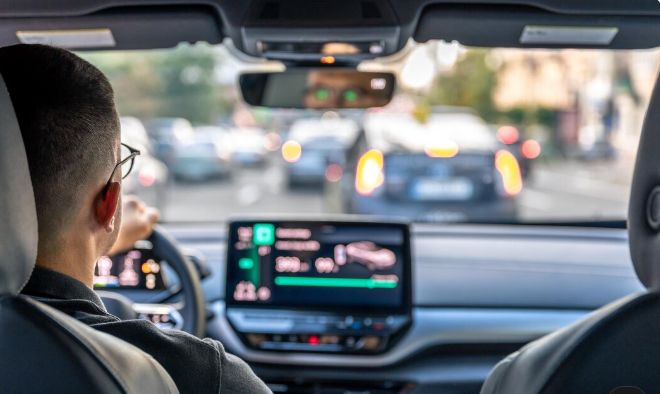
The automotive industry has experienced remarkable technological advancements in recent years. Modern vehicles are no longer designed solely for transportation; they increasingly include intelligent systems that improve safety, convenience, and driving comfort. One of the most important innovations contributing to this transformation is Advanced Driver Assistance Systems (ADAS).
ADAS uses sensors, cameras, radar, and computer-based technologies to assist drivers in various driving situations. These systems help detect potential hazards, provide timely warnings, and, in certain circumstances, automatically control braking or steering.
As manufacturers introduce more sophisticated features, advanced driver assistance technology is changing how people experience everyday driving.
What Are Advanced Driver Assistance Systems?
Advanced Driver Assistance Systems are electronic technologies designed to support drivers while operating a vehicle. Their primary purpose is to improve road safety, reduce human error, and make driving more comfortable.
ADAS technologies continuously monitor the vehicle’s surroundings through sensors and onboard processing systems.
Depending on the vehicle and its capabilities, these systems can identify nearby vehicles, pedestrians, road markings, and obstacles.
Common ADAS features include:
- Adaptive Cruise Control
- Automatic Emergency Braking
- Lane Departure Warning
- Lane Keeping Assistance
- Blind Spot Monitoring
- Forward Collision Warning
- Traffic Sign Recognition
- Parking Assistance
These features work individually or together to support safer and more convenient driving.
1. Improving Road Safety Through Intelligent Monitoring
One of the most significant benefits of ADAS is its potential to improve road safety.
Driver distraction, fatigue, and delayed reactions can contribute to traffic accidents. Advanced assistance systems help address some of these risks by continuously monitoring driving conditions.
For example, forward collision warning systems detect situations where a vehicle may be approaching another vehicle too quickly.
The system alerts the driver, allowing additional time to react.
Automatic emergency braking can go further by applying the brakes when a potential collision is detected and the driver does not respond quickly enough.
Although these technologies cannot prevent every accident, they can reduce the likelihood or severity of certain collisions.
2. Making Highway Driving More Comfortable
Long highway journeys often require constant attention to speed, traffic flow, and surrounding vehicles.
Adaptive Cruise Control helps reduce some of this workload by automatically adjusting the vehicle’s speed to maintain a selected following distance.
Unlike traditional cruise control, which maintains a fixed speed, adaptive systems respond to changing traffic conditions.
Some vehicles also offer lane-centering assistance, which provides steering support to help maintain the vehicle’s position within its lane.
Together, these technologies can make highway driving more comfortable, particularly during long journeys or changing traffic conditions.
However, drivers must remain attentive and ready to take control whenever necessary.
3. Reducing Risks During Lane Changes
Changing lanes can become challenging in heavy traffic, especially when nearby vehicles are difficult to see through mirrors.
Blind Spot Monitoring systems use sensors to detect vehicles approaching or traveling alongside the driver’s vehicle.
When another vehicle enters a monitored blind spot, the system typically activates a warning indicator near the side mirror.
Some systems also provide audible alerts if the driver signals a lane change while another vehicle is detected.
These warnings improve situational awareness and help drivers make more informed decisions.
Nevertheless, checking mirrors and surrounding traffic remains essential.
4. Simplifying Parking in Crowded Areas
Parking is a common challenge in busy cities, shopping centers, and residential neighborhoods.
Modern ADAS technology offers several features that make parking easier and more convenient.
Parking sensors identify nearby obstacles and provide alerts as the vehicle approaches them.
Rearview cameras improve visibility when reversing, while surround-view camera systems can provide a simulated overhead perspective of the vehicle.
Some advanced parking assistance systems can also control steering during parking maneuvers.
These technologies are particularly useful when navigating narrow parking spaces or areas with limited visibility.
5. Supporting Drivers in Heavy Traffic
Daily commuting often involves traffic congestion, repeated braking, and frequent acceleration.
Certain advanced driver assistance systems can reduce the physical effort involved in these situations.
Traffic Jam Assist, available in some vehicles, combines adaptive cruise control with steering assistance to help manage slow-moving traffic.
Depending on the system, the vehicle may automatically adjust its speed, maintain distance from the vehicle ahead, and provide limited steering support.
This can make stop-and-go driving less tiring.
However, system capabilities differ between manufacturers, and drivers must follow the supervision requirements specified for their vehicles.
6. Enhancing Pedestrian and Cyclist Safety
Modern road environments include pedestrians, cyclists, motorcycles, and other vulnerable road users.
Some ADAS technologies are designed to recognize these road users and alert drivers when potential conflicts arise.
Pedestrian detection systems use cameras and other sensors to identify people near the vehicle’s path.
When a possible collision is detected, the system may activate visual warnings, audible alerts, or automatic emergency braking.
Similarly, cyclist detection technologies can help identify certain dangerous situations involving bicycles.
These capabilities are especially valuable in urban environments where road users frequently share limited space.
7. Encouraging the Development of Smarter Vehicles
ADAS technology also plays an important role in the ongoing development of automated driving systems.
Modern assistance technologies rely on advanced sensors, artificial intelligence, machine learning, and real-time data processing.
These technologies allow vehicles to interpret selected aspects of their surroundings and respond to certain situations.
As systems improve, manufacturers can develop more capable driver assistance features.
However, most consumer ADAS features are classified as Level 1 or Level 2 driving automation, meaning the human driver remains responsible for supervising the vehicle.
Advanced assistance should not be confused with fully autonomous driving.
8. Understanding the Limitations of ADAS
Despite its advantages, ADAS technology has limitations that drivers should understand.
Heavy rain, fog, snow, poor road markings, and obstructed sensors can affect system performance.
Certain systems may also struggle with unusual road layouts, unexpected obstacles, or complex traffic situations.
Drivers should remember that ADAS technologies:
- Do not eliminate the possibility of accidents.
- May perform differently in challenging weather conditions.
- Require properly functioning cameras and sensors.
- Cannot replace responsible driving behavior.
- May need professional calibration after certain repairs.
Understanding these limitations helps drivers use assistance technologies more effectively.
The Future of Advanced Driver Assistance Systems
The future of ADAS is closely connected with improvements in automotive sensors, computing capabilities, and vehicle software.
More accurate object detection, improved driver monitoring, and enhanced communication between vehicle systems may further strengthen driving assistance capabilities.
As technology becomes more accessible, additional safety features may appear in affordable vehicles rather than remaining limited to luxury models.
Continued innovation could help reduce preventable accidents while improving the overall driving experience.
Conclusion
Advanced Driver Assistance Systems are transforming everyday driving by combining intelligent monitoring, automated responses, and driver-focused convenience features.
From preventing certain collisions and supporting safer lane changes to reducing driving fatigue and simplifying parking, ADAS technology offers meaningful benefits for modern motorists.
However, these systems are designed to assist drivers, not replace their judgment or responsibility.
As automotive technology continues to evolve, ADAS will remain an important part of creating safer, smarter, and more comfortable transportation experiences.
Read More : The Growing Influence of Interactive Art Installations in Public Spaces
Comments