
Introduction
Art has always played an important role in shaping culture, expressing emotions, and connecting communities. Traditionally, public art consisted of sculptures, murals, monuments, and decorative structures that people could admire from a distance. However, modern artistic practices are changing how individuals experience creativity in shared environments.
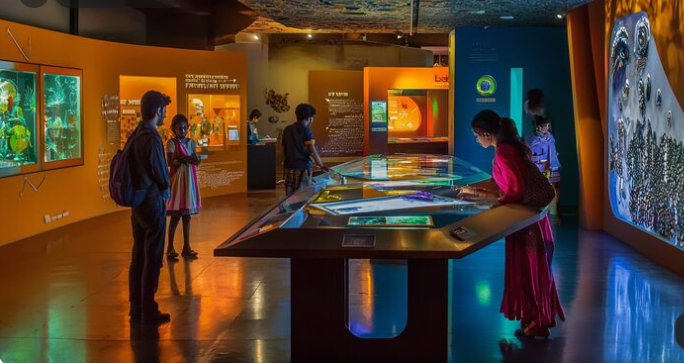
Interactive art installations are becoming increasingly popular in public spaces, transforming ordinary locations into engaging environments where visitors actively participate in artistic experiences. These installations often combine technology, creativity, movement, sound, and visual effects to establish meaningful connections between artwork and audiences.
As cities continue to embrace innovative approaches to urban development, interactive art is emerging as a powerful tool for cultural expression, community engagement, and public entertainment.
What Are Interactive Art Installations?
Interactive art installations are creative works designed to respond to human participation. Unlike traditional artworks that primarily encourage observation, interactive installations invite visitors to influence or become part of the artistic experience.
These installations may use various elements, including:
- Motion sensors that respond to visitors’ movements.
- Digital projections that change according to audience interaction.
- Sound installations activated by touch or movement.
- Light displays that react to environmental conditions.
- Augmented reality experiences that blend physical and digital artwork.
For example, an interactive light installation in a public park might change colors as people walk through it, creating a unique visual experience for every participant.
This participatory approach transforms art from a static object into a dynamic experience.
Transforming Ordinary Public Spaces into Creative Destinations
One of the most significant influences of interactive art installations is their ability to transform everyday public environments.
Parks, railway stations, shopping districts, pedestrian pathways, and city squares can become vibrant cultural destinations through innovative artistic projects.
Interactive installations encourage people to explore familiar surroundings from new perspectives. A previously overlooked public square might attract visitors when illuminated by responsive digital artwork or decorated with interactive sculptures.
These creative attractions can also encourage pedestrian activity and support nearby businesses by drawing attention to particular locations.
Furthermore, installations can strengthen the identity of a neighborhood by reflecting its history, traditions, and cultural characteristics.
Encouraging Community Participation and Social Interaction
Interactive art installations offer opportunities for people from different backgrounds to connect through shared creative experiences.
Unlike conventional exhibitions that may require visitors to enter museums or galleries, public installations make artistic participation accessible in everyday settings.
Families, students, tourists, and local residents can interact with the same artwork, creating opportunities for conversation and collaboration.
For instance, a community-based installation might invite participants to contribute digital drawings, recorded messages, or creative patterns that become part of a larger collective artwork.
Such activities encourage individuals to feel connected to their surroundings while promoting a sense of shared ownership.
By encouraging participation, interactive art can help strengthen community relationships and inspire collective creativity.
The Role of Technology in Modern Interactive Art
Technology has become an essential component of many contemporary interactive art installations.
Artists increasingly use digital tools to create responsive environments that adapt to visitor behavior.
Augmented Reality and Digital Experiences
Augmented reality allows artists to add virtual elements to physical locations. Visitors can use compatible devices to explore digital sculptures, animated characters, or historical visualizations placed within real-world environments.
These experiences expand creative possibilities without requiring permanent physical structures.
Motion Sensors and Responsive Lighting
Motion-sensitive technology enables installations to react to movement.
For example, a pathway featuring interactive lighting might illuminate different patterns depending on how visitors walk through the space.
Such installations create personalized experiences while encouraging curiosity and exploration.
Artificial Intelligence and Generative Art
Artificial intelligence can support installations that produce changing visual patterns, sounds, or digital compositions based on visitor input.
Generative systems allow artworks to evolve over time, making each interaction potentially different.
However, successful installations still depend on thoughtful artistic direction, accessibility, and meaningful audience participation.
Making Art More Accessible to Diverse Audiences
Interactive installations can make artistic experiences more approachable for individuals who may not regularly visit traditional galleries.
Public art removes some of the financial and geographical barriers associated with formal cultural institutions.
When installations are freely accessible, people can experience creativity during everyday activities such as commuting, shopping, or walking through a park.
Interactive artwork can also support inclusive participation when designed with different physical abilities and sensory needs in mind.
Features such as wheelchair-accessible pathways, multiple interaction methods, clear instructions, and alternative sensory experiences can help more visitors participate comfortably.
Ultimately, accessibility should be considered throughout the creative process rather than added after installation.
Supporting Tourism and Local Economic Activity
Interactive art installations can contribute to cultural tourism by creating distinctive attractions.
Visitors often seek memorable experiences that reflect the personality of a destination. Large-scale interactive sculptures, immersive light displays, and digital art exhibitions can help cities develop recognizable cultural identities.
These installations may also encourage visitors to spend additional time exploring nearby restaurants, shops, and cultural attractions.
Photogenic artworks can gain attention through social media, increasing awareness of public destinations.
Nevertheless, long-term economic benefits depend on thoughtful planning, maintenance, visitor accessibility, and integration with surrounding communities.
Raising Awareness About Social and Environmental Issues
Beyond entertainment, interactive art installations can communicate important messages about contemporary challenges.
Artists use participatory experiences to explore subjects such as climate change, environmental conservation, cultural identity, and social equality.
For example, an installation might visualize changing air-quality measurements through colored lights or invite visitors to contribute ideas about sustainable urban living.
By transforming complex information into engaging artistic experiences, these projects can encourage curiosity and meaningful discussion.
Interactive art is particularly effective when it allows audiences to explore an issue through personal participation rather than simply receiving information.
Challenges of Interactive Art in Public Spaces
Despite its growing popularity, interactive public art presents several challenges.
Outdoor installations must withstand changing weather conditions, heavy visitor activity, and potential vandalism.
Technology-based artworks also require maintenance, reliable electricity, software updates, and appropriate security measures.
Additional considerations include:
- Ensuring visitor safety during interactions.
- Protecting personal information collected through sensors or digital systems.
- Managing installation and maintenance costs.
- Preventing excessive noise or light pollution.
- Maintaining accessibility for different audiences.
Artists, city planners, engineers, and community organizations must collaborate to address these challenges effectively.
The Future of Interactive Art Installations
The future of interactive public art is closely connected to advances in creative technology and sustainable urban design.
Emerging technologies may enable artists to develop installations that respond to environmental data, recognize collective movement patterns, or combine physical structures with immersive digital environments.
Sustainable materials, renewable energy systems, and energy-efficient lighting could also help reduce the environmental impact of large-scale projects.
As public spaces evolve, interactive art may become increasingly integrated into urban planning, educational programs, and cultural development initiatives.
The most successful projects will likely balance technological innovation with artistic meaning, community involvement, and long-term sustainability.
Conclusion
Interactive art installations are changing how people experience creativity in public spaces. By encouraging participation, supporting social interaction, and combining traditional artistic expression with modern technology, these installations make art more engaging and accessible.
Their influence extends beyond visual entertainment, contributing to cultural identity, community development, tourism, and public awareness of important issues.
As artists and cities continue exploring innovative creative possibilities, interactive installations have the potential to transform ordinary public environments into meaningful spaces for connection, imagination, and shared experiences.
Ultimately, the growing popularity of interactive art highlights an important shift in contemporary creativity: art is no longer something people simply observe; it is increasingly something they experience, influence, and create together.
Read More : broken heart instagram names
Comments