
Introduction
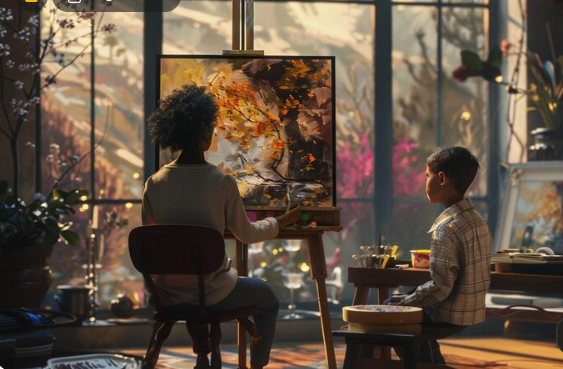
Art has always evolved alongside human creativity, culture, and technology. From ancient cave paintings to modern digital illustrations, artists continuously discover new ways to express their ideas. Today, one of the most exciting developments in the creative world is the combination of traditional artistic techniques with digital technology.
Contemporary artists are increasingly blending painting, drawing, sculpture, and printmaking with digital tools to produce unique artwork. This combination allows them to preserve the beauty of traditional craftsmanship while exploring new creative possibilities.
The Connection Between Traditional and Digital Art
Traditional art involves physical materials such as paint, pencils, charcoal, clay, and canvas. These materials provide textures, imperfections, and personal touches that make every creation distinctive.
Digital art, on the other hand, uses technologies such as drawing tablets, graphic design software, digital cameras, and three-dimensional modeling programs.
By combining these approaches, artists can create works that reflect both traditional craftsmanship and modern innovation.
For example, an artist might begin with a pencil sketch on paper, scan it into a computer, and enhance it using digital colors, lighting effects, and textures. The finished artwork maintains the original drawing’s character while benefiting from digital flexibility.
1. Combining Hand-Drawn Illustrations with Digital Editing
Hand drawing remains an essential part of contemporary artistic expression. Many illustrators prefer beginning their creative process with traditional sketches because drawing on paper provides a natural connection between their ideas and movements.
Once the initial sketch is complete, artists can transfer it into digital software for further development.
Digital editing allows them to:
- Experiment with different color combinations.
- Adjust composition and proportions.
- Add lighting, shadows, and special effects.
- Correct mistakes without damaging the original artwork.
- Create multiple variations of the same design.
This approach is particularly popular in illustration, animation, graphic design, and contemporary visual storytelling.
2. Blending Traditional Painting with Digital Techniques
Painting has remained an important artistic practice for centuries. Contemporary painters are now discovering creative opportunities by combining physical painting techniques with digital technology.
Some artists create paintings using watercolor, acrylic, or oil paints before photographing or scanning their work.
They then use digital tools to introduce additional layers, patterns, textures, or visual effects.
Others reverse the process by designing compositions digitally before transferring them onto physical canvases.
This combination provides greater artistic flexibility while maintaining the expressive qualities of traditional painting.
3. Exploring Mixed Media and Digital Collage
Mixed-media art involves combining different materials and techniques within a single artwork.
Contemporary artists increasingly incorporate digital elements into mixed-media compositions, creating visually complex pieces that connect physical and virtual artistic environments.
For example, an artist might combine:
- Hand-painted backgrounds.
- Digitally manipulated photographs.
- Scanned paper textures.
- Traditional calligraphy.
- Computer-generated illustrations.
These elements can be arranged into a unified composition that reflects multiple artistic influences.
Digital collage also allows artists to explore themes such as identity, memory, cultural heritage, and modern communication.
4. Using 3D Technology with Traditional Sculpture
Sculpture is another traditional art form experiencing significant transformation through digital innovation.
Modern sculptors frequently combine manual modeling techniques with three-dimensional design software and digital fabrication tools.
An artist may first create a small clay sculpture, scan it using 3D technology, and modify the digital model before producing a larger version.
Alternatively, digital models can serve as references for traditional carving or sculpting.
Technologies such as 3D printing and computer-controlled cutting machines allow artists to experiment with complex forms that might otherwise be difficult to produce manually.
However, traditional sculpting skills remain valuable because they provide an understanding of shape, proportion, balance, and physical materials.
5. Preserving Cultural Heritage Through Digital Creativity
Traditional artistic techniques often represent generations of cultural knowledge and craftsmanship.
Contemporary artists are using digital technology to reinterpret these traditions while preserving their historical significance.
For example, artists may digitize traditional textile patterns, decorative motifs, folk paintings, or calligraphic designs.
These cultural elements can then become part of modern illustrations, animations, installations, or digital exhibitions.
This approach introduces traditional artistic styles to younger audiences and encourages appreciation for cultural heritage.
However, respectful collaboration, proper attribution, and awareness of cultural ownership remain important when adapting traditional designs.
6. Creating Interactive Art Experiences
Digital technology has also expanded how audiences experience traditional artwork.
Artists can combine physical paintings, sculptures, or installations with interactive technologies such as projection mapping, augmented reality, and motion sensors.
For instance, a traditional painting displayed in a gallery might include an augmented reality experience that reveals animated elements when viewed through a smartphone.
Similarly, projection mapping can transform a physical sculpture by adding moving colors, patterns, and visual narratives.
These interactive experiences encourage audiences to engage with art in new and memorable ways.
7. Benefits of Combining Traditional and Digital Art
The integration of traditional craftsmanship and digital creativity provides several advantages.
Greater Creative Freedom: Artists can experiment with materials, colors, compositions, and effects beyond the limitations of a single medium.
Improved Efficiency: Digital tools simplify revisions, experimentation, and preparation for reproduction.
Unique Artistic Styles: Combining physical textures with digital elements allows artists to develop distinctive visual identities.
Wider Audience Reach: Digital platforms make it easier for artists to share their work with international audiences.
Preservation of Traditional Skills: Integrating established techniques into modern projects helps keep traditional artistic practices relevant.
8. Challenges Artists May Face
Despite its advantages, combining traditional and digital techniques can present challenges.
Artists may need to invest time in learning unfamiliar software, equipment, and production methods. Digital tools can also be expensive, particularly when advanced hardware is required.
Maintaining consistency between physical and digital elements may require careful attention to color accuracy, texture, and resolution.
Additionally, artists must balance technological convenience with personal creativity to ensure their work retains originality and artistic meaning.
The Future of Traditional and Digital Art
As technology continues to advance, the relationship between traditional and digital art is likely to become increasingly interconnected.
Artificial intelligence, immersive technologies, digital fabrication, and advanced creative software may introduce further opportunities for artistic experimentation.
Nevertheless, traditional artistic knowledge will remain important. Understanding composition, color theory, perspective, materials, and visual storytelling provides a foundation for meaningful creative expression.
The future of contemporary art will likely involve artists selecting and combining techniques according to their creative vision rather than treating traditional and digital approaches as separate disciplines.
Conclusion
Contemporary artists are redefining creative expression by combining traditional techniques with digital innovation. From digitally enhanced paintings and mixed-media illustrations to interactive installations and technology-assisted sculptures, these approaches demonstrate the possibilities of artistic experimentation.
By embracing both established craftsmanship and emerging technologies, artists can create original works that connect cultural heritage with modern experiences.
Ultimately, the combination of traditional and digital creativity highlights an important principle: artistic innovation does not require abandoning the past. Instead, it can build upon existing techniques to discover fresh forms of expression.
Read More : blue heart in text meaning