
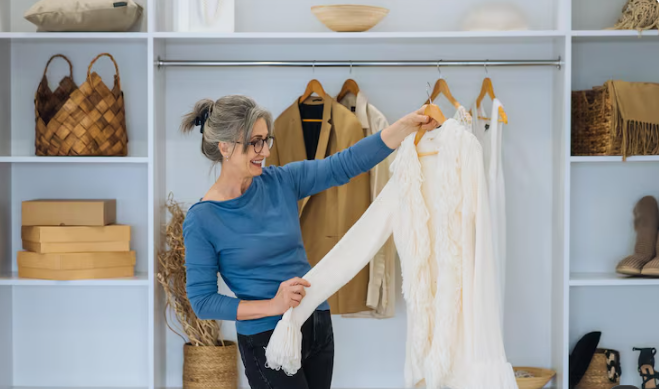
Introduction
Fashion trends change constantly, but certain clothing styles remain popular across generations. Building a versatile wardrobe with timeless fashion essentials allows individuals to create stylish outfits without continuously purchasing new clothes.
A thoughtfully organized wardrobe focuses on quality, comfort, functionality, and clothing pieces that complement one another. Instead of filling closets with items that are rarely worn, investing in versatile essentials makes everyday dressing easier and more practical.
Whether preparing for work, casual outings, formal occasions, or weekend activities, a collection of classic clothing pieces provides numerous styling possibilities.
Understanding how to select, combine, and maintain timeless fashion essentials can help create a wardrobe that reflects personal style while remaining practical for different occasions.
1. Understand the Concept of a Timeless Wardrobe
A timeless wardrobe consists of clothing pieces that remain fashionable despite changing seasonal trends.
These items typically feature simple designs, classic silhouettes, neutral colors, and practical functionality.
Unlike trend-focused clothing, timeless essentials can be worn repeatedly and combined in different ways.
Common examples include:
- Well-fitted white shirts.
- Classic denim jeans.
- Neutral-colored trousers.
- Simple T-shirts.
- Tailored blazers.
- Comfortable sweaters.
- Versatile dresses.
- Classic jackets.
The objective is not to eliminate creativity from personal fashion but to create a reliable foundation that supports different styling choices.
2. Choose a Neutral Color Palette
Color coordination plays an important role in developing a versatile wardrobe.
Neutral shades such as black, white, beige, navy, gray, and cream are particularly useful because they complement many other colors.
For example, a beige blazer can be paired with black trousers, blue jeans, or a simple dress.
Similarly, a white shirt works well with formal pants, denim, or layered outfits.
A neutral wardrobe does not have to appear boring. Adding selected accent colors through scarves, accessories, or statement clothing can create visual interest.
Choosing a consistent color palette also makes it easier to mix and match different pieces.
3. Invest in High-Quality Basic Clothing
Basic clothing forms the foundation of a practical wardrobe.
Although these pieces often feature simple designs, their versatility makes them valuable for everyday styling.
Important wardrobe basics include:
Classic White Shirt
A white shirt can be worn in professional environments, casual settings, and semi-formal occasions.
It pairs easily with trousers, skirts, jeans, and tailored jackets.
Well-Fitted Jeans
A comfortable pair of jeans is suitable for numerous casual outfits.
Straight-leg and other classic cuts can remain useful across changing fashion trends.
Plain T-Shirts
Neutral T-shirts provide easy layering options and work well with jackets, cardigans, and casual trousers.
Tailored Trousers
Well-fitted trousers create a polished appearance and can be styled for both professional and relaxed occasions.
Choosing durable fabrics and comfortable fits helps ensure these basics remain useful over time.
4. Include Versatile Outerwear
Outerwear can transform the appearance of an outfit while providing comfort and protection from changing weather conditions.
A carefully selected jacket or blazer can make simple clothing appear more sophisticated.
Useful outerwear options include:
- Tailored blazer: Suitable for office wear and smart-casual outfits.
- Classic denim jacket: Ideal for relaxed styling.
- Trench coat: Provides a polished appearance during mild weather.
- Neutral cardigan: Offers comfortable layering.
- Lightweight jacket: Useful for everyday activities and travel.
The best outerwear choices depend on local climate, lifestyle, and personal preferences.
5. Select Comfortable and Versatile Footwear
Footwear is another essential part of building a functional wardrobe.
Instead of purchasing numerous pairs for individual outfits, selecting a few versatile options can simplify daily styling.
Examples include:
- White or neutral sneakers for casual wear.
- Classic loafers for smart-casual occasions.
- Comfortable flats for everyday activities.
- Formal shoes for professional events.
- Simple boots for cooler weather.
Comfort, durability, and appropriate fit should remain priorities when choosing footwear.
Well-maintained shoes can complement multiple outfits and provide reliable everyday use.
6. Focus on Proper Fit and Comfort
Even expensive clothing may appear unflattering when the fit is incorrect.
Properly fitted garments generally create a more polished appearance and allow greater freedom of movement.
When purchasing clothing, consider shoulder alignment, sleeve length, waist fit, and overall proportions.
Minor alterations can sometimes improve the appearance of existing garments without requiring new purchases.
Comfort is equally important because clothing that feels restrictive or uncomfortable is less likely to be worn regularly.
7. Use Accessories to Refresh Classic Outfits
Accessories provide an effective way to introduce personality into a timeless wardrobe.
A simple outfit can look different depending on the accessories selected.
For example, a white shirt and black trousers can be styled with a structured handbag for professional occasions or colorful accessories for casual outings.
Useful accessories include:
- Classic watches.
- Minimalist jewelry.
- Neutral handbags.
- Leather or fabric belts.
- Scarves.
- Sunglasses.
Selecting accessories that complement multiple outfits helps maintain versatility without creating unnecessary clutter.
8. Learn the Art of Layering
Layering allows clothing pieces to be adapted for different temperatures, environments, and occasions.
For instance, a plain T-shirt can be worn independently during warm weather or paired with a cardigan and jacket when temperatures decrease.
Similarly, a dress can be combined with a blazer for professional settings or styled with sneakers for casual activities.
Effective layering involves balancing colors, proportions, and fabric thickness.
Experimenting with different combinations helps maximize the usefulness of existing clothing.
9. Build a Capsule Wardrobe
A capsule wardrobe is a curated collection of clothing pieces designed to work well together.
The concept encourages individuals to own fewer, more versatile garments rather than large quantities of rarely used clothing.
To create a capsule wardrobe:
- Review your existing clothing collection.
- Identify frequently worn pieces.
- Select a coordinated color palette.
- Keep essentials suitable for your lifestyle.
- Identify genuine gaps before purchasing new items.
- Experiment with different outfit combinations.
A capsule wardrobe does not require following a strict clothing limit. Its purpose is to simplify dressing and improve the usefulness of each item.
10. Prioritize Quality Over Quantity
Purchasing inexpensive clothing frequently may seem economical, but garments that wear out quickly can increase long-term expenses.
Choosing well-constructed clothing made from suitable materials can provide better value over time.
When evaluating garments, examine stitching quality, fabric durability, comfort, and washing requirements.
However, higher prices do not always guarantee better quality.
Making thoughtful purchasing decisions helps reduce unnecessary spending and supports more responsible clothing consumption.
11. Maintain Your Clothes Properly
Proper clothing maintenance helps preserve appearance, comfort, and durability.
Different fabrics require different washing, drying, and storage methods.
Useful maintenance practices include:
- Following garment care labels.
- Avoiding unnecessary washing.
- Using appropriate washing temperatures.
- Storing delicate clothing carefully.
- Repairing loose buttons and minor damage.
- Keeping shoes clean and dry.
Regular maintenance extends the useful life of wardrobe essentials and reduces the need for frequent replacements.
12. Develop Your Personal Fashion Style
A timeless wardrobe should reflect individual preferences rather than follow rigid fashion rules.
Personal style develops through understanding which colors, silhouettes, fabrics, and clothing combinations feel comfortable and authentic.
Some individuals prefer minimalist outfits, while others enjoy incorporating bold accessories or unique statement pieces.
Classic clothing provides a flexible foundation that allows personal creativity without requiring constant wardrobe changes.
The most successful wardrobe is one that supports everyday needs while helping its owner feel comfortable and confident.
Conclusion
Creating a versatile wardrobe with timeless fashion essentials involves thoughtful planning, practical clothing choices, and an understanding of personal style.
By selecting classic basics, maintaining a coordinated color palette, investing in comfortable footwear, and choosing adaptable outerwear, individuals can develop numerous outfits from a manageable clothing collection.
Proper garment care, creative layering, and responsible purchasing decisions further improve wardrobe functionality.
Ultimately, timeless fashion is about more than following trends. It focuses on confidence, simplicity, comfort, and building a collection of clothing that remains useful and stylish for years.
Read More : Effective Strategies for Building a Strong and Sustainable Business Brand