
Introduction
A multiday road trip offers an exciting opportunity to explore new destinations, experience different cultures, and enjoy the freedom of traveling at your own pace. Unlike traditional vacations that follow fixed schedules, road trips allow travelers to discover hidden attractions, take spontaneous detours, and create memorable experiences along the way.
However, a successful road trip requires more than choosing a destination and starting the engine. Long hours of driving, unpredictable weather, changing road conditions, and unexpected expenses can affect the overall experience.
Planning a multiday road trip with comfort, safety, and flexibility in mind helps travelers enjoy the journey while reducing unnecessary stress. With thoughtful preparation and realistic expectations, a long-distance adventure can become an enjoyable and rewarding experience.
1. Choose a Route That Matches Your Travel Goals
The first step in organizing a successful road trip is selecting a route that suits your interests, available time, and travel preferences.
Some travelers enjoy scenic highways and natural landscapes, while others prefer historic towns, cultural attractions, or vibrant cities.
When planning your route, consider:
- The total distance between your starting point and destination.
- Interesting attractions and sightseeing opportunities along the way.
- Road conditions and potential traffic congestion.
- Availability of accommodation, restaurants, and fuel stations.
- The number of days available for the journey.
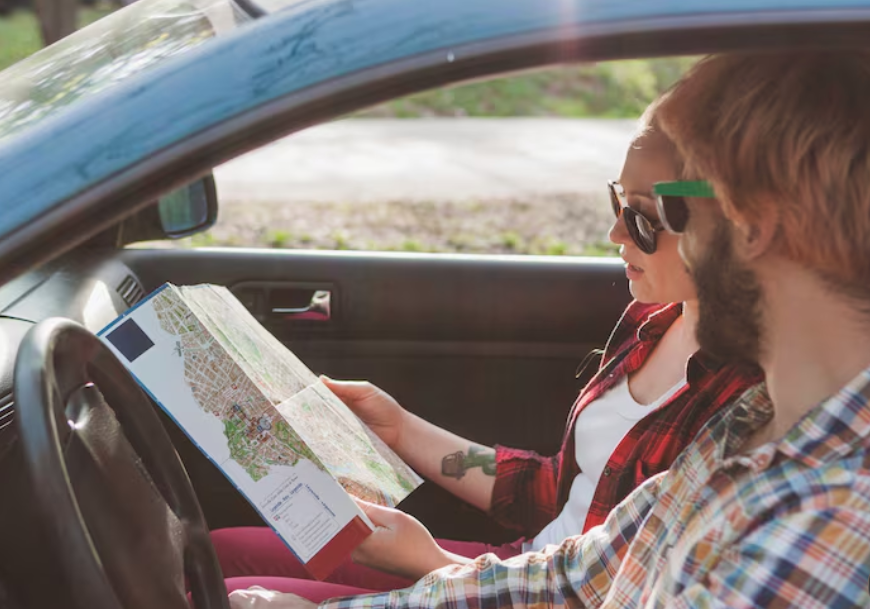
Digital maps and navigation tools can help estimate driving distances and identify alternative routes.
However, it is important to avoid planning an overly ambitious itinerary. Leaving enough time between destinations allows travelers to enjoy unexpected discoveries without feeling rushed.
2. Create a Flexible Daily Travel Schedule
One of the biggest advantages of a road trip is the freedom to adjust plans according to personal preferences.
Although having a daily itinerary is helpful, scheduling every hour can make the journey feel restrictive.
Instead, create a flexible travel schedule that identifies major destinations while leaving room for spontaneous activities.
A practical daily plan might include:
- A preferred departure time.
- An estimated driving distance.
- Planned meal and rest stops.
- One or two important attractions.
- An approximate arrival time at the overnight destination.
Allow additional time for traffic delays, sightseeing, and unexpected stops.
Flexibility becomes particularly valuable when traveling with children, older adults, or larger groups, where individual comfort levels and energy may vary.
3. Prepare Your Vehicle Before Departure
Vehicle reliability is essential for a safe and comfortable multiday road trip.
Before leaving, perform basic maintenance checks to reduce the risk of mechanical problems during the journey.
Important vehicle inspections include:
Tire condition: Check tire pressure, tread depth, and signs of damage. Inspect the spare tire if your vehicle has one.
Engine oil: Confirm that the oil level and maintenance schedule meet the manufacturer’s recommendations.
Braking system: Ensure the brakes function properly and investigate unusual noises or vibrations.
Battery condition: Check for corrosion, weak starting performance, or other signs of battery problems.
Lights and signals: Test headlights, brake lights, indicators, and hazard lights.
Fluid levels: Inspect coolant, windshield washer fluid, and other fluids according to the owner’s manual.
If the vehicle is approaching a scheduled service interval, arranging an inspection before departure may be worthwhile.
A properly maintained vehicle improves reliability and helps travelers feel more confident throughout the trip.
4. Prioritize Comfort During Long Driving Hours
Spending several hours inside a vehicle can cause physical discomfort, particularly when traveling across multiple days.
Simple adjustments can make long journeys significantly more enjoyable.
Start by positioning the driver’s seat to support good posture and provide comfortable access to the steering wheel and pedals.
Passengers should also have sufficient legroom and access to personal essentials.
Consider bringing:
- Supportive neck pillows for passengers.
- Lightweight blankets for changing temperatures.
- Refillable water bottles.
- Comfortable clothing and suitable footwear.
- Healthy snacks for longer travel periods.
- Sunglasses to reduce glare.
- Charging cables and portable power banks.
Maintain a comfortable cabin temperature and take regular breaks to stretch and walk.
For drivers, breaks are especially important for maintaining alertness. If you feel sleepy, stop somewhere safe and rest rather than relying on caffeine or open windows to remain awake.
5. Plan Overnight Stops Carefully
Accommodation plays an important role in maintaining comfort and energy during a multiday journey.
After a long day of driving, a convenient and restful place to stay can make the following day much more enjoyable.
When selecting overnight accommodation, consider:
- Distance from the planned travel route.
- Availability of secure parking.
- Cleanliness and essential facilities.
- Accessibility to restaurants and shops.
- Check-in and check-out policies.
- Cancellation flexibility.
Booking accommodation in advance can be helpful during popular travel seasons or when visiting destinations with limited lodging options.
However, choosing refundable reservations or flexible booking policies can provide additional freedom if your itinerary changes.
A balanced approach involves reserving essential overnight stays while leaving less important activities open to adjustment.
6. Build a Realistic Road Trip Budget
A multiday road trip can involve several expenses beyond fuel and accommodation.
Creating a practical budget helps travelers manage costs and avoid financial surprises.
Common expenses include:
| Expense Category | What to Consider |
|---|---|
| Fuel or charging | Distance, vehicle efficiency, and local energy prices |
| Accommodation | Hotels, guesthouses, campsites, or vacation rentals |
| Food and drinks | Restaurants, groceries, snacks, and beverages |
| Road charges | Tolls, parking fees, and permits |
| Attractions | Entry tickets, guided tours, and activities |
| Emergency reserve | Unexpected repairs, delays, or additional accommodation |
Estimate the total cost before departure and set aside an additional amount for unexpected situations.
Travelers can also reduce expenses by preparing some meals, comparing accommodation options, and avoiding unnecessary detours.
A realistic budget provides financial confidence while preserving the freedom to enjoy worthwhile experiences.
7. Use Navigation and Travel Technology Wisely
Modern technology makes road trip planning easier by providing navigation assistance, traffic updates, and information about nearby services.
Navigation applications can help travelers identify efficient routes and avoid major congestion.
Other useful digital tools include:
- Offline maps for areas with limited network coverage.
- Weather applications for monitoring changing conditions.
- Accommodation booking platforms.
- Fuel station or electric vehicle charging locators.
- Expense tracking applications.
- Shared travel itineraries for group coordination.
Download important maps and reservation details before traveling through remote areas.
It is also helpful to carry a charging cable, power bank, and suitable vehicle charger to keep essential devices functioning.
Technology should support the journey without distracting the driver. Set destinations before moving, and allow passengers to manage navigation changes whenever possible.
8. Make Road Safety a Daily Priority
Road safety should remain a central consideration throughout every stage of a multiday journey.
Long-distance driving may involve unfamiliar highways, changing weather, and extended periods of concentration.
To reduce travel risks:
- Follow posted speed limits and local traffic regulations.
- Ensure every passenger wears an appropriate seat belt.
- Use properly installed child restraints when required.
- Avoid driving when tired or unwell.
- Never drive under the influence of alcohol or impairing substances.
- Maintain a safe following distance.
- Adjust speed according to visibility and road conditions.
- Avoid handling mobile devices while driving.
Share driving responsibilities when qualified drivers are available.
If severe weather or unsafe road conditions develop, delaying travel may be the safest choice.
Remember that reaching a destination later is always preferable to taking unnecessary risks.
9. Pack Efficiently and Keep Essentials Accessible
Packing for several days requires balancing convenience with available vehicle space.
Overpacking can create clutter, reduce passenger comfort, and make frequently used items difficult to locate.
Organize luggage according to how often items will be needed.
Keep essential belongings within easy reach, including:
- Identification and required travel documents.
- Driving licence and vehicle documents.
- Necessary medication and basic first-aid supplies.
- Drinking water and snacks.
- Mobile phones and charging accessories.
- Emergency contact information.
- Weather-appropriate clothing.
Heavier luggage should be secured appropriately, preferably in the vehicle’s designated cargo area.
Avoid placing loose objects where they could interfere with driving or become dangerous during sudden braking.
An organized vehicle contributes to a calmer and more comfortable travel experience.
10. Prepare for Unexpected Situations
Even carefully planned road trips can involve unexpected challenges.
Traffic congestion, vehicle problems, road closures, and sudden weather changes may require travelers to adjust their plans.
Preparing for these possibilities reduces stress and improves decision-making.
Carry or arrange access to useful emergency resources, such as:
- A vehicle emergency kit.
- A flashlight with working batteries.
- Basic first-aid supplies.
- A tire repair or replacement solution appropriate for the vehicle.
- Roadside assistance contact details.
- Emergency phone numbers.
- Offline copies of important travel information.
Check whether your vehicle insurance or roadside assistance coverage applies to the areas you intend to visit.
For remote destinations, inform a trusted person about your planned route and expected arrival times.
Preparation does not eliminate every problem, but it makes unexpected situations easier to manage.
11. Include Activities That Make the Journey Memorable
A road trip is about more than covering distance between destinations.
The most enjoyable experiences often happen during unplanned stops, scenic detours, or conversations with local residents.
Consider including activities such as:
- Visiting scenic viewpoints.
- Exploring small towns and local markets.
- Trying regional food.
- Walking through parks or natural attractions.
- Discovering historical landmarks.
- Photographing memorable landscapes.
- Taking short nature walks.
Choose activities that suit the interests and physical abilities of your travel companions.
Avoid filling every day with too many attractions. A relaxed schedule often creates more meaningful experiences than an exhausting itinerary.
12. Balance Planning with Spontaneity
The most successful road trips combine preparation with the freedom to explore.
A completely unplanned journey may create avoidable difficulties, while an overly detailed schedule can remove the excitement of discovery.
The ideal approach is to establish a reliable framework while allowing adjustments along the way.
Keep important arrangements organized, including vehicle maintenance, essential accommodation, travel documents, and emergency planning.
At the same time, remain open to changing your route, extending a scenic stop, or spending extra time at an interesting destination.
This balance allows travelers to enjoy both peace of mind and the unique freedom that road trips provide.
13. Respect Local Communities and the Environment
Responsible travel helps preserve the destinations that make road trips enjoyable.
Small choices can reduce environmental impact and support communities along the route.
Consider adopting these habits:
- Dispose of waste responsibly.
- Carry reusable water bottles and shopping bags.
- Support local restaurants and independent businesses.
- Respect local customs and cultural traditions.
- Stay on designated roads and walking trails.
- Avoid unnecessary engine idling.
- Follow regulations in parks and protected areas.
Traveling responsibly creates a more positive experience for both visitors and local residents.
It also helps ensure that natural and cultural attractions remain enjoyable for future travelers.
Conclusion
Planning a multiday road trip requires a thoughtful balance of comfort, safety, organization, and flexibility. From selecting a realistic route and preparing the vehicle to managing expenses and arranging overnight accommodation, each decision contributes to a smoother travel experience.
The key is to prepare for essential needs while leaving enough freedom for unexpected discoveries. Regular rest breaks, responsible driving habits, efficient packing, and adaptable schedules help make long-distance journeys more enjoyable.
Ultimately, a memorable road trip is not simply about reaching the final destination—it is about enjoying the experiences, landscapes, and moments encountered along the way. With careful planning and an open mindset, travelers can create a safe, comfortable, and rewarding adventure that lasts well beyond the journey itself.
Read More : NW Meaning in Text: What Does NW Mean in Chat?