If you’ve ever been in a chat where someone suddenly typed “TTYL” and disappeared, you’re not alone in wondering what it actually means. In modern texting culture, abbreviations like this are everywhere, and they often confuse people who are not used to internet slang.
“TTYL” is one of those classic chat acronyms that has survived from early internet messaging days into today’s fast-paced social media conversations. It shows up in casual chats, DMs, and even comments when someone wants to end a conversation politely but not permanently.
People usually search for its meaning because it feels abrupt, slightly unclear, and sometimes even emotionally confusing depending on the context. Understanding it properly helps you avoid misreading tone in digital conversations.
“TTYL” – Quick Meaning
Clear Definition
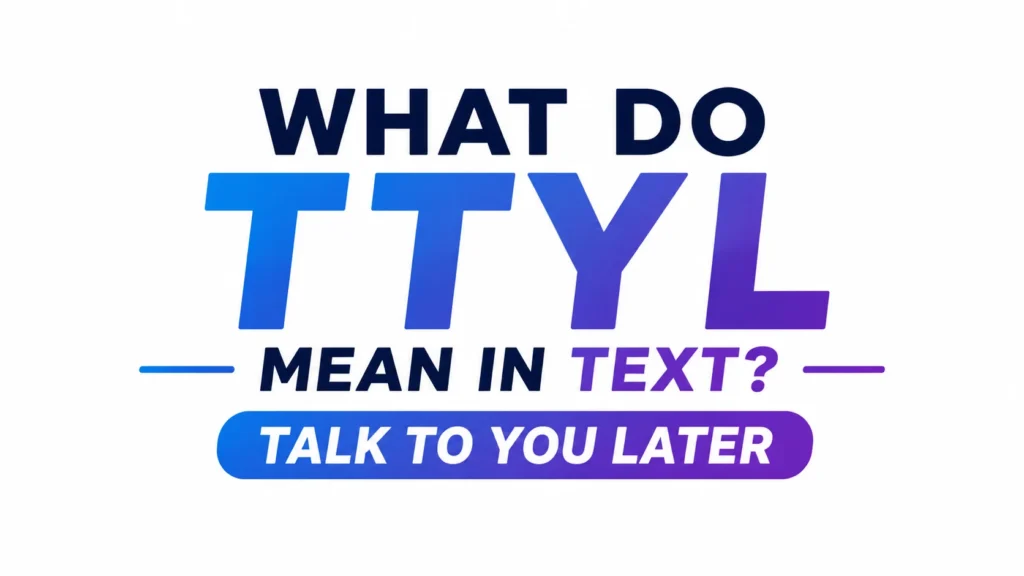
TTYL stands for “Talk To You Later.”
It is used when someone wants to pause a conversation and reconnect later without sounding rude or final.
In simple words:
- It means “I’m leaving now, but we’ll talk again.”
- It is casual and friendly.
- It is not a goodbye forever.
Common Usage Examples
- “Got to go now, TTYL!”
- “Busy right now, TTYL.”
- “Heading out, ttyl 👋”
Tone Behind It
TTYL usually carries a relaxed and polite tone. It softens the exit from a conversation.
Origin & Background
TTYL comes from the early internet era when messaging platforms like MSN Messenger, Yahoo Chat, and early SMS texting were limited in characters and speed.
People began shortening common phrases to type faster, and “Talk To You Later” became “TTYL” as part of that trend.
Cultural Influence
Over time, this abbreviation became part of global texting culture. As social media platforms grew, especially on apps like Instagram and WhatsApp, the term continued to survive because it was short, neutral, and easy to understand.
Social Media Impact
With fast scrolling and short attention spans, users prefer quick exits from conversations. TTYL fits perfectly into this communication style.
Real-Life Conversations (MANDATORY)
WhatsApp Chat Example
Person A:
Are you coming online tonight?
Person B:
Not sure, got work. TTYL.
Instagram DM Example
Person A:
Send me those photos when you’re free.
Person B:
Sure thing, busy rn tho TTYL.
TikTok Comment Section
User A:
Do you stream every day?
User B:
Not daily, schedule changes. ttyl for updates!
Text Message Example
Friend A:
We still meeting at 6?
Friend B:
Running late, TTYL.
These examples show how naturally TTYL blends into everyday digital communication.
Emotional & Psychological Meaning
TTYL is not just a shortcut—it reflects how people manage attention and emotional boundaries in digital space.
What Emotion It Expresses
- Mild urgency
- Casual detachment
- Polite exit
- Intent to reconnect later
Why People Use It
People use TTYL because:
- They don’t want to sound rude
- They want a soft exit from conversation
- They want to stay socially connected without continuing chat
What It Reveals About Modern Communication
TTYL reflects a major shift in communication style:
- Conversations are more fragmented
- People multitask while chatting
- Social interactions are fast and flexible
Real-Life Scenario
Imagine someone chatting while studying or working. Instead of ignoring messages, they reply “TTYL” to acknowledge the other person while stepping away respectfully. It keeps relationships smooth without pressure.
Usage in Different Contexts
Social Media
On platforms like TikTok, TTYL is often used in comments or captions to indicate temporary absence.
Friends & Relationships
Among friends, it feels natural and friendly:
- “I’m going out now, ttyl”
- It maintains connection without forcing long conversation
Work / Professional Settings
In formal communication, TTYL is generally avoided. It can appear too casual for emails or workplace chats.
Better alternatives:
- “I’ll get back to you later”
- “Let’s continue this later”
Casual vs Serious Tone
- Casual: Perfect fit
- Semi-formal: Acceptable in chat-based work apps
- Formal: Not recommended
When NOT to Use It
TTYL is not suitable in every situation.
Inappropriate Contexts
- Job interviews
- Official emails
- Academic writing
- Customer service responses
Cultural Sensitivity
In some cultures, abrupt conversation endings may feel disrespectful if not softened with additional context.
Risk of Misunderstanding
If used without tone indicators, it may seem like:
- You are ignoring someone
- You are losing interest in conversation
Common Misunderstandings
What People Get Wrong
Some people think TTYL means:
- “I don’t want to talk anymore” (wrong)
- “I’m upset with you” (wrong)
Tone Confusion
Because texting lacks voice tone, TTYL can sometimes feel cold if used without emojis or context.
Literal vs Figurative Meaning
It is not literal—it does not specify exact time. “Later” can mean minutes, hours, or even days.
Comparison Table
| Expression | Meaning | Tone | Usage |
|---|---|---|---|
| TTYL | Talk To You Later | Casual | Ending chat temporarily |
| BRB | Be Right Back | Very short break | Quick pause |
| GTG | Got To Go | Immediate exit | Leaving conversation |
| Bye | Goodbye | Neutral to final | Ending interaction |
| Talk later | Similar to TTYL | Friendly | More formal version |
Key Insight
TTYL is the most balanced slang because it is polite, flexible, and socially safe. It avoids emotional heaviness while keeping connection alive.
Variations / Types
1. ttyl
Standard lowercase version, commonly used in fast texting.
2. TTYL 🙂
Adds friendliness and emotional warmth.
3. TTYL 👋
Includes emoji for softer exit.
4. ttyl soon
Suggests short gap before next conversation.
5. ttyl later
Reinforces future connection.
6. TTYL gotta go
Adds urgency to departure.
7. ttyl rn
Means “talk to you later right now” (used jokingly).
8. ttyl bro
Informal version used among friends.
9. ttyl luv
Shows emotional closeness.
10. ttyl cya
Combines “see you” with later talk.
How to Respond When Someone Uses It
Casual Replies
- “Okay, talk later!”
- “Sure, ttyl too”
Funny Replies
- “Don’t disappear forever 😄 ttyl”
- “You say ttyl but vanish for 3 days”
Mature Replies
- “No problem, speak later.”
- “Take care, we’ll continue later.”
Respectful Replies
- “Alright, I’ll wait for your message.”
- “Have a good day, talk later.”
Regional & Cultural Usage
Western Culture
TTYL is widely accepted and commonly used in everyday texting.
Asian Culture
It is also popular but often mixed with local language or emojis to soften tone.
Middle Eastern Culture
Used mainly among younger generations in casual digital communication.
Global Internet Usage
TTYL has become universal internet slang across platforms.
Generational Differences
- Gen Z: Uses it frequently and casually
- Millennials: Understand it well from early internet days
- Older generations: May find it less intuitive or prefer full phrases
Is It Safe for Kids?
Yes, TTYL is completely safe for kids because:
- It contains no harmful meaning
- It is just a polite way to end conversation
- It is widely used in educational and social contexts
However, children should still be taught when formal communication is required instead of slang.
FAQs
What does TTYL mean in chat?
TTYL means “Talk To You Later,” used to pause conversations politely.
Is TTYL rude?
No, it is generally polite and casual, not rude.
Is TTYL still used today?
Yes, it is still common in texting and social media.
What is the difference between BRB and TTYL?
BRB means a very short break, while TTYL means you’ll talk later.
Can I use TTYL in emails?
It is not recommended in formal emails.
Does TTYL mean goodbye forever?
No, it means temporary goodbye, not permanent.
Is TTYL used on social media?
Yes, especially in comments and direct messages.
Conclusion
TTYL may look like a simple abbreviation, but it plays an important role in modern communication. It helps people step away from conversations politely while keeping the connection open for later.
In a world where conversations happen fast and across multiple platforms, expressions like TTYL make communication smoother and more human. When used correctly, it keeps digital interactions friendly, flexible, and stress-free.
So next time someone says “TTYL,” you can confidently understand it as a simple promise: we’ll talk again later.