
Introduction
Modern abstract art is a fascinating form of creative expression that moves beyond traditional representations of people, places, and objects. Instead of focusing on realistic imagery, abstract artists use colors, shapes, lines, and textures to communicate emotions, ideas, and personal experiences. Among these elements, color and texture play particularly important roles in determining how an artwork looks, feels, and connects with its audience.
From vibrant compositions filled with energetic colors to subtle paintings featuring layered surfaces, modern abstract art offers endless opportunities for experimentation. Understanding the relationship between color and texture can help viewers appreciate the deeper meanings and creative techniques behind abstract artworks.
The Importance of Color in Abstract Art
Color is one of the most powerful visual elements in abstract art. It can influence emotions, establish atmosphere, and guide the viewer’s attention throughout a composition.
Unlike realistic paintings, where colors often represent recognizable objects, abstract artists have the freedom to use unexpected combinations and unconventional shades.
1. Creating Emotional Connections
Different colors can evoke different emotional responses. For example:
- Red: Often associated with passion, energy, excitement, and intensity.
- Blue: Commonly connected with calmness, stability, and reflection.
- Yellow: Frequently represents optimism, warmth, and creativity.
- Green: Can suggest balance, nature, and renewal.
- Black: May communicate mystery, strength, or dramatic contrast.
However, color interpretation is not universal. Personal experiences, cultural backgrounds, and surrounding colors can influence how viewers respond to a particular artwork.
Artists often combine contrasting colors to create emotional tension or use harmonious palettes to establish a peaceful visual atmosphere.
2. Establishing Visual Balance
Color also helps artists organize their compositions. Bright colors naturally attract attention, while softer shades can provide balance and breathing space.
For example, an abstract painting featuring a large neutral background with a small area of vibrant orange may direct the viewer’s attention toward that specific section.
Artists carefully consider color placement, saturation, and contrast to create visual harmony without relying on recognizable subjects.
Understanding Texture in Modern Abstract Art
Texture refers to the surface quality of an artwork. It can be physically experienced through touch or visually suggested through artistic techniques.
In modern abstract art, texture adds complexity, movement, and depth to compositions.
1. Physical Texture
Physical texture, also called actual texture, is created when artists build raised or uneven surfaces.
Common techniques include:
- Applying thick layers of acrylic or oil paint.
- Using palette knives to create ridges and patterns.
- Incorporating sand, fabric, paper, or other materials.
- Scraping, scratching, or carving into painted surfaces.
- Combining multiple materials through mixed-media techniques.
These methods transform flat canvases into visually dynamic surfaces that interact with light and shadow.
2. Visual Texture
Visual texture creates the illusion of surface variation without necessarily producing noticeable physical changes.
Artists achieve this effect through brushstrokes, repeated patterns, color variations, and overlapping shapes.
For instance, a painting may appear rough or weathered even though its surface remains relatively smooth.
Visual texture allows artists to introduce movement and complexity while maintaining a flat composition.
How Color and Texture Work Together
The relationship between color and texture is essential to many modern abstract compositions. When combined effectively, these elements can strengthen an artwork’s emotional impact and visual appeal.
Creating Depth and Dimension
Layered textures can make colors appear richer and more complex. Thick applications of paint create highlights and shadows that change depending on lighting conditions.
Similarly, transparent color layers can reveal underlying textures, producing a sense of depth.
Enhancing Movement and Energy
Bold colors combined with expressive brushstrokes can create the impression of movement.
For example, energetic red and yellow tones applied through sweeping, textured strokes may produce a sense of excitement and spontaneity.
In contrast, smooth surfaces with gentle blue and gray transitions can create a quiet, contemplative atmosphere.
Encouraging Personal Interpretation
Abstract art rarely provides a single fixed meaning. Color and texture encourage viewers to interpret artworks through their own emotions and experiences.
One person may associate a rough, dark composition with uncertainty, while another may interpret the same artwork as a representation of strength and resilience.
This openness makes abstract art especially engaging.
Popular Techniques Used by Modern Abstract Artists
Contemporary artists experiment with various methods to explore the relationship between color and texture.
1. Impasto Painting
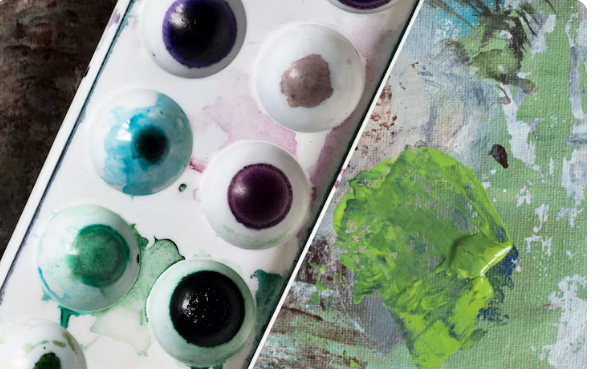
Impasto involves applying thick paint so that brushstrokes and palette knife marks remain visible.
This technique creates substantial physical texture and enhances the interaction between color, light, and shadow.
2. Fluid Painting
Fluid painting uses flowing pigments to create organic patterns and unpredictable color combinations.
Artists may tilt canvases, pour paint, or manipulate liquid colors to produce flowing compositions.
3. Mixed-Media Art
Mixed-media artists combine traditional paints with materials such as fabric, handmade paper, wood, or textured paste.
These combinations introduce contrasting surfaces and expand the visual possibilities of abstract artwork.
4. Layering and Glazing
Layering involves building compositions through successive applications of paint.
Glazing uses thin, often transparent color layers to modify underlying tones and create subtle visual depth.
Both techniques allow artists to develop complex relationships between color and texture.
The Influence of Color and Texture on Interior Design
Modern abstract art has become a popular choice for contemporary interior spaces because of its versatility and expressive qualities.
Large abstract paintings can serve as focal points in living rooms, offices, galleries, and commercial environments.
Colorful artwork can introduce energy into minimalist interiors, while neutral textured paintings can complement calm and sophisticated spaces.
Texture also adds visual interest to rooms featuring smooth furniture, glass surfaces, and simple architectural designs.
When selecting abstract art for interior decoration, considering the surrounding color palette, lighting, and available wall space can help create a balanced environment.
Why Color and Texture Remain Important in Contemporary Art
As artistic practices continue to evolve, color and texture remain fundamental tools for creative experimentation.
Digital technology, innovative materials, and unconventional painting techniques allow contemporary artists to explore new visual possibilities.
Some artists combine traditional painting methods with digital design, while others incorporate recycled materials to create environmentally conscious artworks.
Despite these developments, the fundamental purpose remains similar: using visual elements to communicate ideas and encourage emotional connections.
Color provides atmosphere and expression, while texture introduces depth, character, and physical presence.
Conclusion
Color and texture are essential elements that define the expressive nature of modern abstract art. Together, they allow artists to communicate emotions, establish visual balance, create movement, and develop unique artistic identities.
Whether through vibrant color combinations, layered painting techniques, or experimental materials, abstract art demonstrates how simple visual elements can produce powerful creative experiences.
By understanding the relationship between color and texture, viewers can develop a deeper appreciation for modern abstract artwork and discover new ways to interpret artistic expression.
Read More : The Growing Influence of Interactive Art Installations in Public Spaces
Comments